Stress Fractures
Find Relief from Hammertoes with Professional Foot Care at Silver Spring Foot and Ankle
Hammertoe is a common foot condition where one or more toes bend abnormally at the middle joint, causing pain, stiffness, and difficulty walking. Without proper care, hammertoe can worsen over time—leading to increased discomfort, corns, calluses, and even permanent deformity. Early intervention is essential to prevent complications and restore comfortable movement. If you’re searching for hammertoe treatment in Mechanicsburg, PA, our podiatrist is here to help.
What Is Hammertoe?
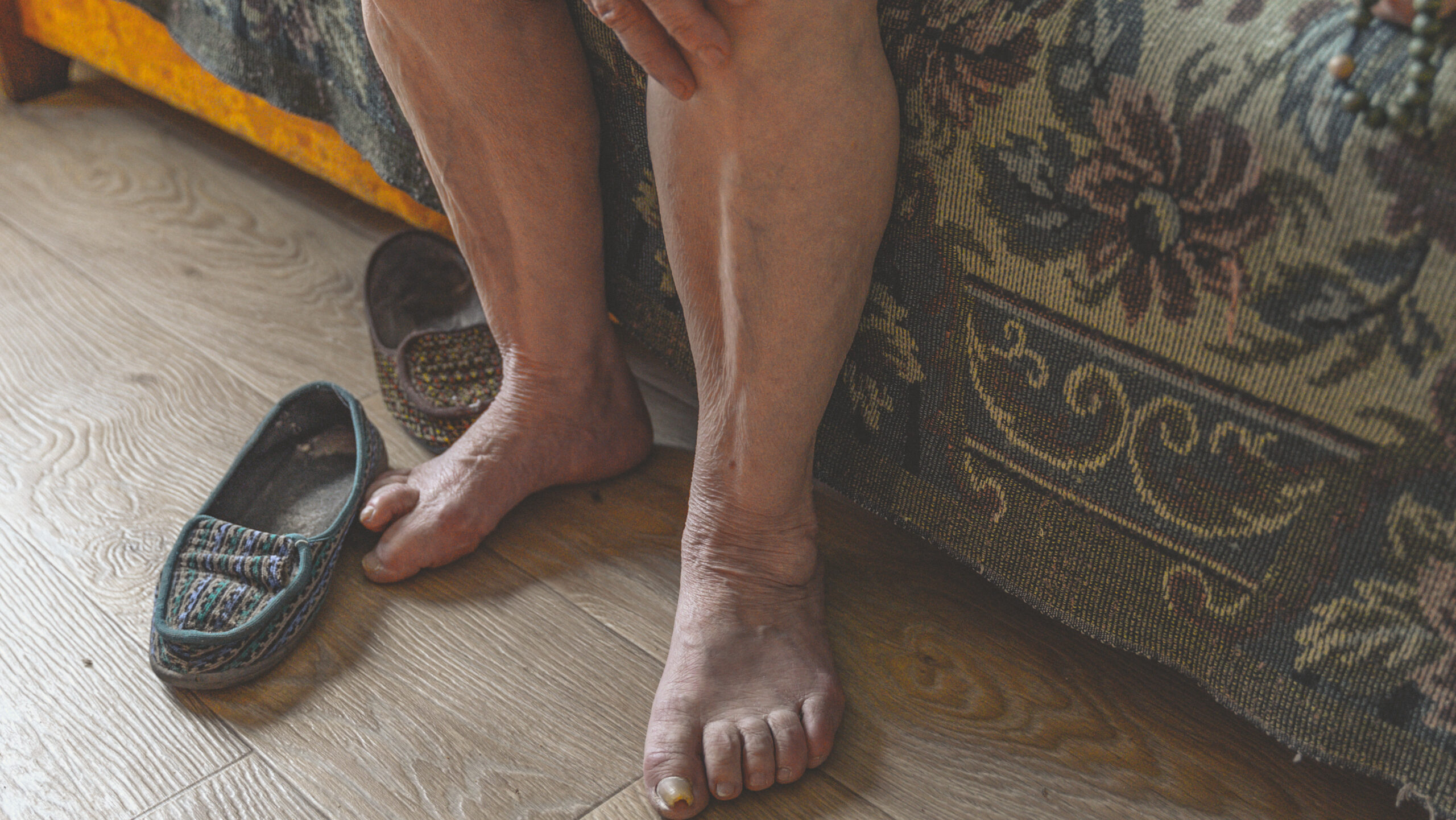
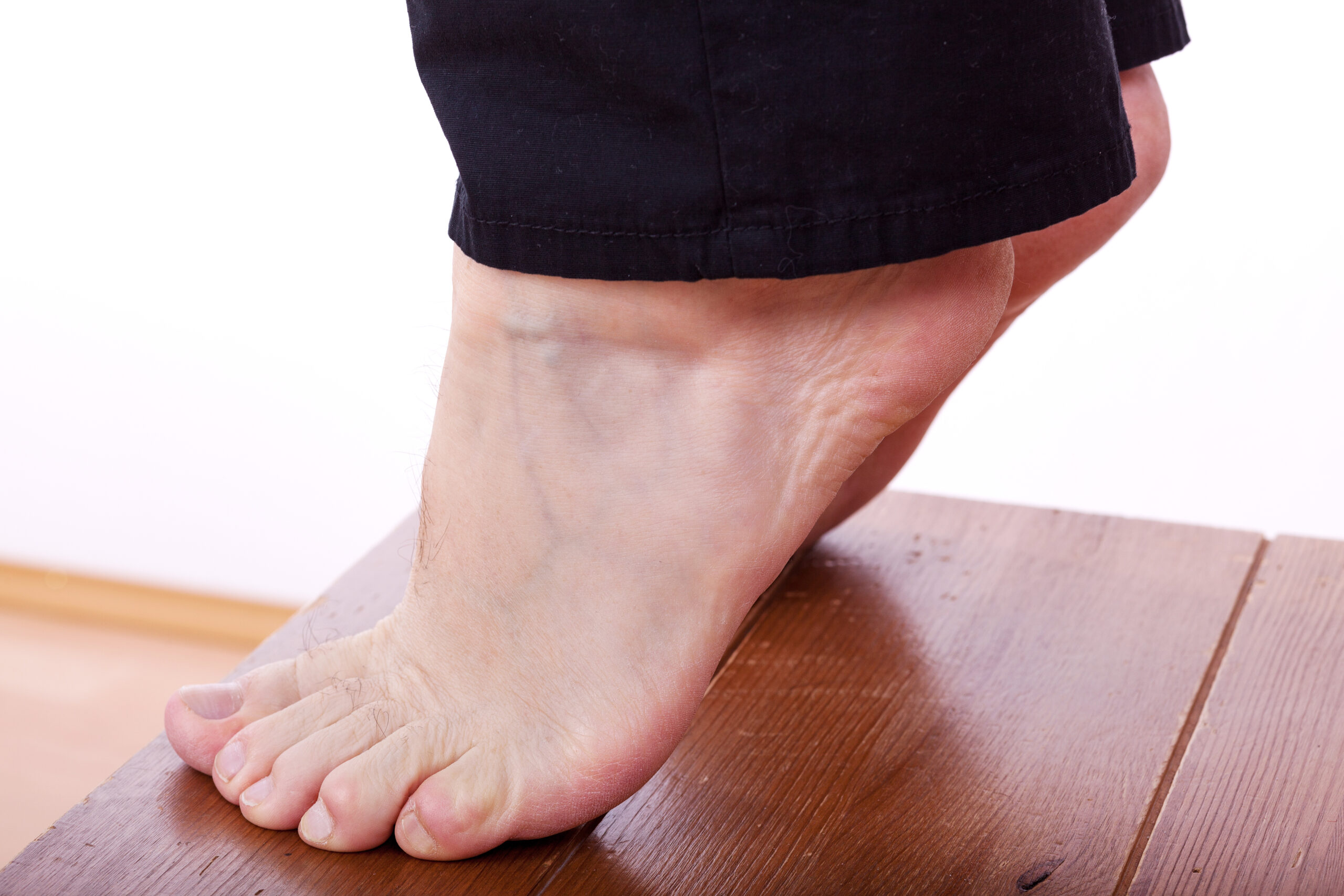
Hammertoe occurs when the toe joint bends downward, creating a hammer-like appearance. This deformity often affects the second, third, or fourth toes and can lead to discomfort with everyday activities.
Types of Hammertoe
- Flexible Hammertoe: The joint can still move and is more responsive to nonsurgical treatment.
- Rigid Hammertoe: The joint becomes stiff and fixed in place, often requiring surgical correction.
Common Symptoms
- Pain, redness, and swelling in the affected toe
- Corns or calluses caused by friction
- Difficulty fitting into shoes
- Limited mobility or stiffness
- Toe pain during walking or activity
If you’ve been wondering “What is hammertoe?” or searching for “symptoms of hammertoe” or “types of hammertoe,” our specialist can provide answers and treatment tailored to your needs.
Causes and Risk Factors of Hammertoes
Understanding what leads to hammertoe can help prevent the condition from worsening.
Common Causes
- Improper Footwear: Tight, narrow, or high-heeled shoes force the toes into unnatural positions.
- Genetics: Foot structure can be inherited, making some individuals more prone to hammertoes.
- Foot Injuries: Trauma or past injuries can disrupt proper toe alignment.
- Muscle Imbalance: When tendons and muscles pull unevenly on the toe, it can bend downward.
- Arthritis: Chronic joint inflammation may contribute to hammertoe development.
Other Risk Factors
Age, diabetes, and repetitive activities that stress the toes—such as running or dancing—can increase the likelihood of hammertoes. If you’ve ever wondered, “Why do I have hammertoes?” our team can help determine the cause and create a personalized care plan.
Diagnosing Hammertoe
A thorough diagnosis is the first step toward effective treatment.
Physical Examination
Our podiatrist examines the affected toe for deformity, swelling, and pain during movement. We also evaluate how the toe responds to pressure and flexion.
Imaging Tests
X-rays may be used to assess joint alignment, determine severity, and rule out other issues such as fractures.
Why Early Diagnosis Matters
Catching hammertoe early often means simpler treatments and better long-term results. Waiting too long can lead to worsening deformity and reduced treatment options.
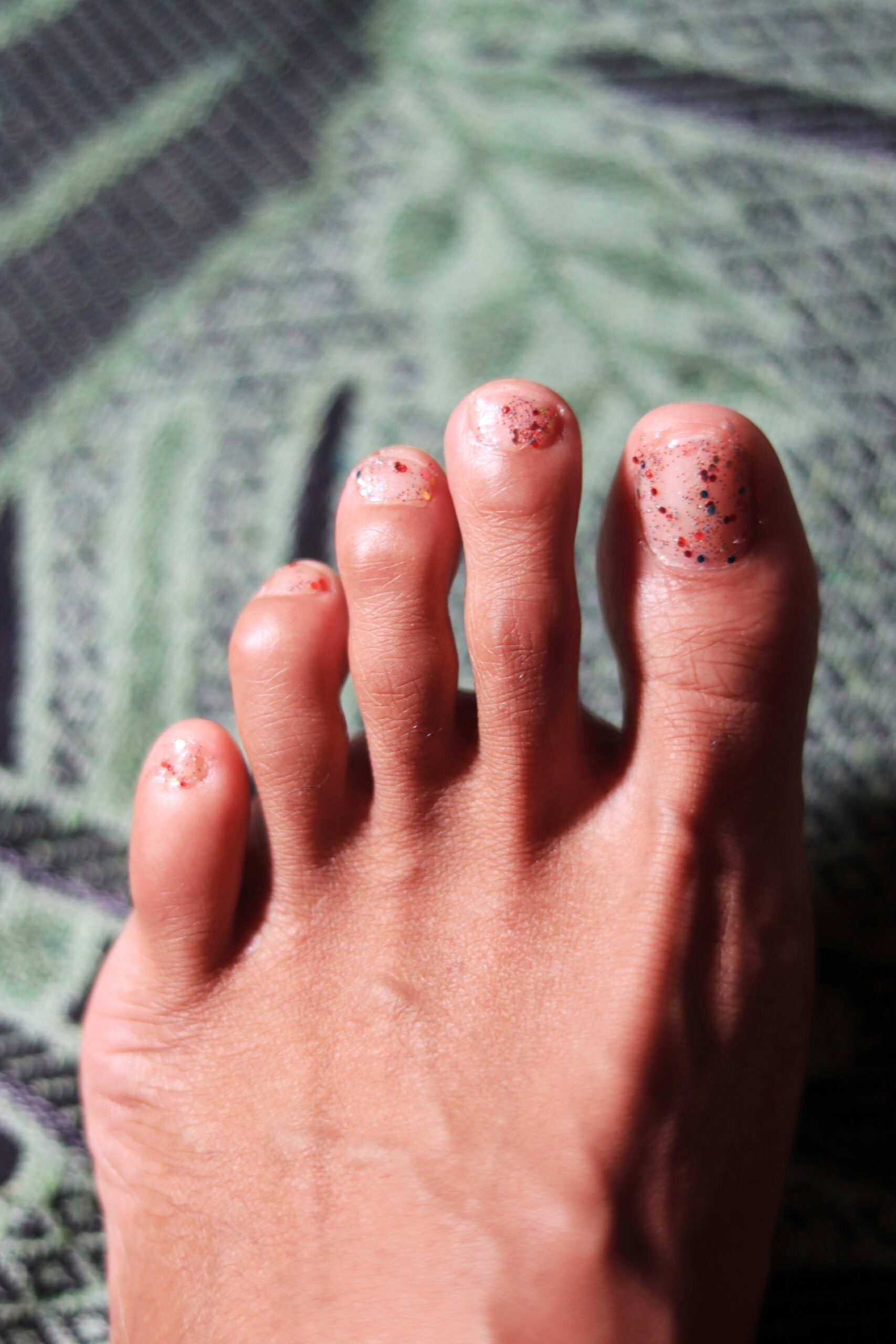
Treatment Options for Hammertoes
At Silver Spring Foot and Ankle, we offer both conservative and surgical treatments depending on your symptoms and the severity of the deformity.
Conservative Treatment
- Footwear Adjustments: Wear shoes with a wide toe box, cushioned soles, and low heels to reduce pressure.
- Padding & Taping: These methods help realign the toe and prevent corns or calluses.
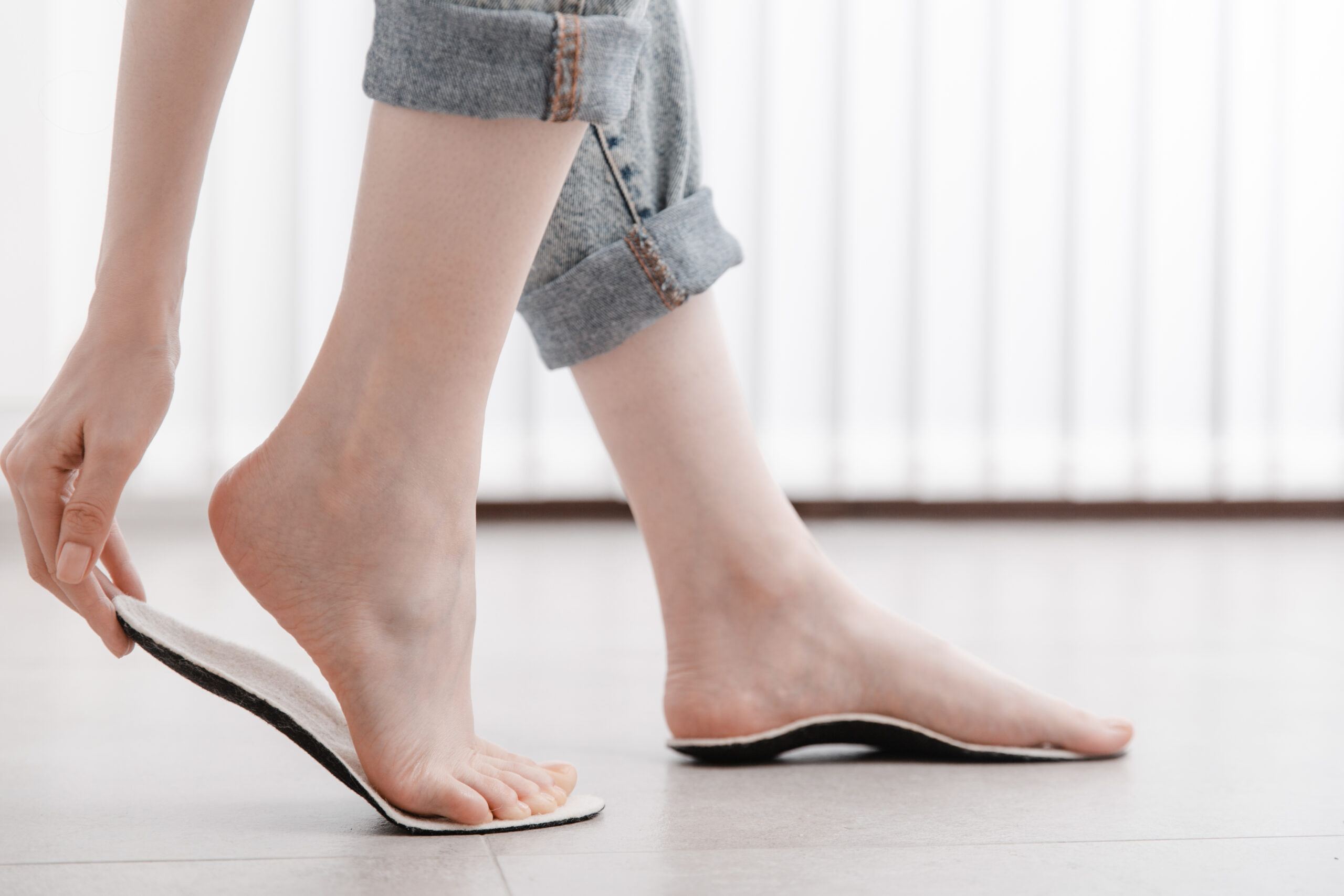
- Orthotic Inserts: Custom orthotics can correct foot mechanics and reduce stress on the toes.
- Stretching Exercises: Toe stretches improve flexibility and help relieve stiffness.
- Pain Management: Ice therapy and over-the-counter medications like ibuprofen can reduce swelling and discomfort.
Surgical Treatment
When conservative treatments are no longer effective—especially for rigid hammertoe—surgery may be recommended.
Common Surgical Procedures Include:
- Tendon Release: Loosens tight tendons pulling the toe downward.
- Fusion: Fuses the joint to straighten the toe permanently.
- Joint Resection: Removes part of the joint to restore alignment and reduce pain.
Recovery After Surgery may include rest, wearing a protective boot, and physical therapy. Most patients return to normal activity once the joint has healed.
Recovery and Rehabilitation
Non-Surgical Recovery
Conservative treatment may take several weeks to months, depending on the severity of the condition and patient compliance.
Post-Surgery Rehabilitation
After surgery, patients may need to avoid weight-bearing, use a protective boot, and attend physical therapy to restore movement and strength.
Long-Term Management
Wearing supportive shoes, using orthotics, and practicing regular foot exercises help maintain results and prevent recurrence.
Preventing Hammertoes
Key Prevention Tips
- Wear properly fitted shoes with adequate space and support.
- Stretch and exercise the toes regularly to maintain joint flexibility.
- Avoid narrow, tight, or high-heeled shoes.
- Perform foot exercises to strengthen muscles and reduce stiffness.
When to See Our Podiatrist
Signs You Need Professional Care
Persistent toe pain or swelling, difficulty walking or wearing shoes, worsening deformity, and no relief from home treatments. Early treatment prevents complications, reduces pain, and increases the chances of avoiding surgery. Our team specializes in diagnosing and treating hammertoes with personalized care—whether you need conservative management or advanced surgical correction.
Take the First Step Toward Relief
Hammertoe is a painful and progressive condition, but with proper care, relief is possible. From understanding the causes and symptoms to exploring conservative treatments or surgery, the team at Silver Spring Foot and Ankle is committed to helping you walk comfortably again.
If you’re ready to take the next step, schedule a consultation for hammertoes with our experienced podiatrist in Mechanicsburg, PA. We’re here to provide effective, customized hammertoe treatment near you.