
Most people don’t think about their feet until something hurts. And something usually does. That’s why simple foot care routines can help prevent common foot problems.
According to the American Geriatrics Society, up to 87 percent of people will have painful feet at some point, and one in three older adults has foot pain, stiffness, or aching. A study of more than 4,000 adults found that nearly one in five had foot pain on most days. Most importantly, those people scored lower on every quality-of-life measure.
The bigger problem is what happens next. Research suggests only about one in five people with foot problems ever see a family doctor or podiatrist.
Most foot problems are easier to prevent than to fix. Here’s how to take care of your feet, and how to tell when something’s wrong.
Key Takeaways About Foot Care
- Wash and dry your feet every day, especially between your toes. Moisture there invites fungus.
- Moisturize the tops and bottoms of your feet, but avoid the spaces between your toes.
- Trim toenails straight across, and don’t cut them too short.
- Wear shoes that fit, and shop later in the day when your feet are at their largest.
- Check your feet every day for cuts, blisters, color changes, swelling, or nail changes.
- Keep soaks short and warm, not hot. If you have diabetes or numbness, skip soaking unless your doctor says otherwise.
- Don’t cut calluses or use acid-based removers if you have diabetes or poor circulation.
- See a podiatrist if pain lasts more than a week or two, you have numbness, or a sore won’t heal.
How to Take Care of Your Feet Every Day
Good foot care takes about five minutes a day. Here’s the routine.
- Wash with lukewarm water and mild soap. Hot water dries out your skin. Test it with your elbow or wrist first, not your foot.
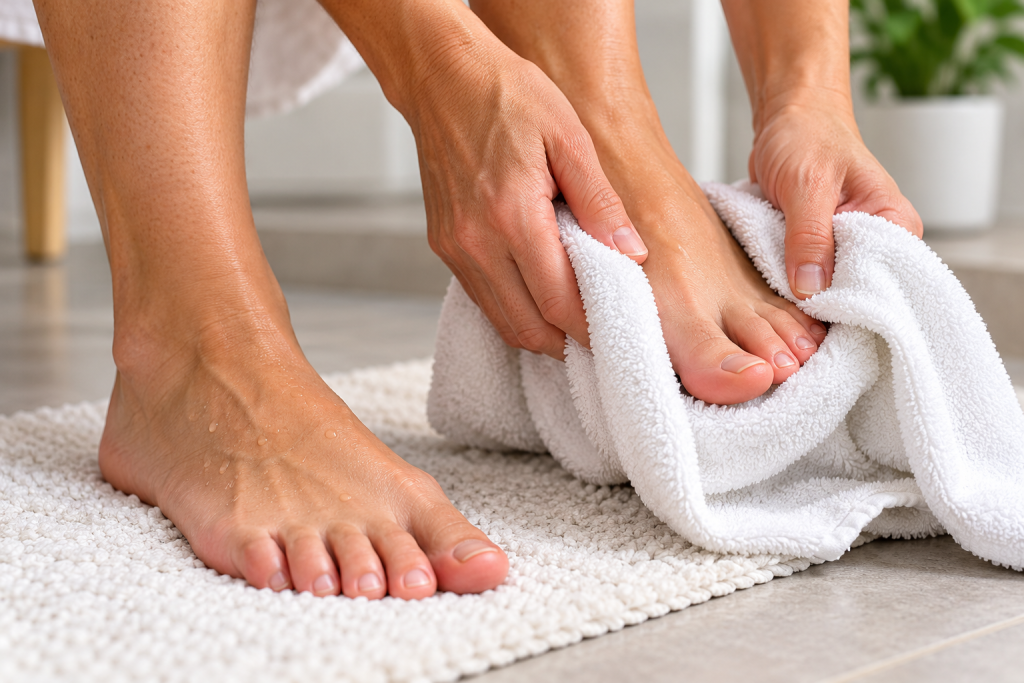
- Dry completely. Pay special attention to the spaces between your toes. That’s where athlete’s foot starts.
- Moisturize. Rub lotion or cream into your heels, soles, and tops of your feet. Skip the spaces between your toes. Extra moisture there does more harm than good.
- Put on clean, dry socks. Change them at least once a day, and more often if your feet sweat. Cotton, wool, and moisture-wicking blends all work well.
- Take a look. A quick daily check catches problems early. See below for what to look for.
Should You Soak Your Feet?
For most healthy adults, a short soak is fine. Soak your feet in warm water for about 10 minutes, then dry them thoroughly and moisturize. Long soaks actually pull moisture from your skin, leaving it drier.
What should you put in the water?
- Epsom salt feels good on tired feet. It’s safe for most people, though it won’t cure anything.
- Vinegar is a popular home remedy for foot odor and fungus. A diluted soak is unlikely to harm healthy skin, but it doesn’t replace proper antifungal treatment.
- Hydrogen peroxide isn’t a good choice for regular soaking. It can irritate healthy skin and slow healing.
If you have diabetic feet, nerve damage, or poor circulation, you may not feel water that’s too hot. Soaking can also soften skin enough to break down. Talk with your doctor or podiatrist first.
The same rules apply for older adults and foot care. Keep the water warm, keep the soak short, and dry carefully before standing. Wet feet on a hard floor are a fall risk.
How to Handle Hard Skin and Calluses Safely
Calluses and hard skin form where your feet take extra pressure or friction. They’re your body’s way of protecting itself.
To keep them under control:
- Use a pumice stone or foot file after a bath or shower, when skin is soft. Go gently. A few passes are enough.
- Moisturize every day. Urea creams work well on thick, dry skin.
- Try petroleum jelly overnight. Apply it to rough heels and wear cotton socks to bed. It locks in moisture while you sleep.
What not to do:
- Don’t cut calluses with a razor or scissors. It’s easy to cut too deep and cause an infection.
- Use medicated callus pads and removers with caution. Most contain acid that can burn healthy skin. If you have diabetes or poor circulation, don’t use them.
“If you’re filing the same callus every week, the callus isn’t the whole problem. It’s telling you where the pressure is. Fixing the shoe or the way you walk often makes a real difference.”
— Dr. Jason Sweeley, Silver Spring Foot & Ankle
A painful spot with a hard center may be a corn.
Trim Your Toenails the Right Way
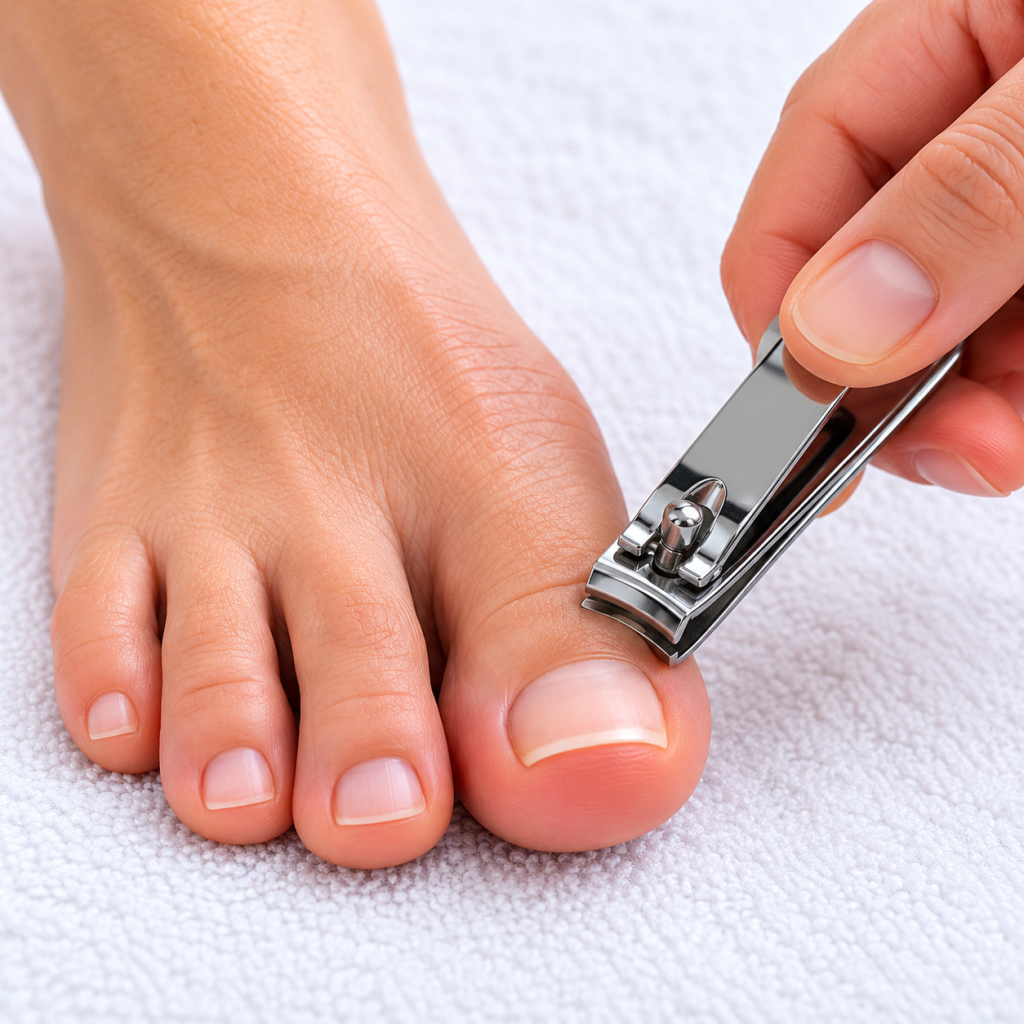
Cut your toenails straight across, and don’t cut them too short. Rounding the corners can push the nail into the skin and cause an ingrown toenail.
Use clean, sharp clippers. Trim after a shower, when nails are softer. File any sharp edges.
If your nails are thick or hard to reach, don’t force it. That’s a common way people end up with cuts and infections.
For the full step-by-step guide, see How to Cut Your Toenails.
Wear Shoes That Protect Your Feet
The American Geriatrics Society notes that many foot problems come from poorly fitting shoes. The fix is often simple.
- Shop later in the day. Your feet swell as the day goes on. Shoes that fit in the morning may pinch by evening.
- Leave room for your toes. You should be able to wiggle them freely.
- Rotate your shoes. Let shoes dry out for a day to help prevent odor and fungus.
- Don’t go barefoot in public places. Fungal infections spread on pool decks, in gym showers, and in locker rooms.
- Replace worn-out shoes. Once the cushioning breaks down, your feet absorb the impact instead.
Learn more in Shoes and Foot Pain: Your Shoes Could Be the Problem.

Check Your Feet: What Changes Mean
Look at the tops, bottoms, heels, and between your toes. If you can’t easily see the bottoms of your feet, use a hand mirror or ask someone to help.
Here are some common things to look for with routine foot care:
- Cuts, blisters, or sores. Most heal in a few days. If one doesn’t, it’s worth a call.
- Redness, warmth, or swelling. These can signal infection or inflammation.
- Color changes. Pale, blue, or very dark skin can point to a circulation problem.
- Peeling, cracking, or itchy skin between your toes. This is often athlete’s foot.
- Dry, scaly skin across the sole. This can also be a fungal infection, and it’s often mistaken for dry skin.
- Thick, yellow, or crumbly toenails. These are common signs of toenail fungus.
- Numbness, tingling, or burning. These can signal nerve problems.
New pain matters too. If something hurts and doesn’t improve after a week or two of rest and better shoes, get it checked.
When Your Feet Are a Warning Sign for Something Else
Your feet don’t just tell you about your feet. They’re often one of the first places other health problems show up.
“One of the biggest mistakes people make is assuming foot problems are just part of getting older. Persistent pain, numbness, or skin changes aren’t things you should learn to live with. The earlier we identify what’s causing them, the more options we may have to help.”
— Dr. Jason Sweeley, Silver Spring Foot & Ankle
Conditions that can show up first in your feet:
- Diabetes. Numbness, tingling, and sores that heal slowly can signal nerve damage from high blood sugar.
- Poor circulation. Cold feet, shiny skin, hair loss on your toes, or calf cramps when you walk can point to peripheral artery disease.
- Arthritis. Stiff, swollen joints, especially in the morning, can be an early sign.
- Gout. Sudden, intense pain with redness and swelling, often in the big toe, is a classic sign of a gout flare.
- Heart, kidney, or liver problems. Swelling in both feet and ankles that won’t go away can signal fluid buildup.
What about vitamins? Low vitamin B12 can cause numbness and tingling in your feet. Low vitamin D is linked to weaker bones. But foot pain has many causes, and supplements won’t fix most of them. A blood test is the way to know.
Foot Care for Different Needs
The basics of healthy feet apply to everyone. But your age, medical history, and activity level can change what your feet need and which problems you’re most likely to develop. Here are a few situations that deserve extra attention.
Foot Care If You Have Diabetes
Check your feet every day. Never walk barefoot, even at home. Don’t treat corns, calluses, or ingrown nails yourself. Get a foot exam at least once a year. Learn more about diabetic feet.
Foot Care As You Age
Skin gets thinner and drier, nails get thicker, and balance can change. Toenail trimming often gets harder. Many seniors have a podiatrist trim their nails. Medicare may cover professional foot care if you meet certain medical conditions and eligibility requirements. Check with a foot doctor near you to understand your coverage. Secondary insurance typically covers the remaining share. Learn more about senior foot care.
Foot Care If You Run or Stay Active
Increase your mileage slowly. Replace running shoes once the cushioning wears down. Don’t push through heel or Achilles pain.
Foot Care For Kids
Children’s feet are still growing. Check shoe size often, and don’t hand down worn shoes.
What Foot Problems Should You Never Ignore?
Most foot problems develop gradually and can be managed with proper care. But some symptoms signal something more serious than everyday soreness or discomfort. Knowing the difference can help you decide when to schedule an appointment and when you need immediate medical attention.
Get emergency care right away if you notice:
- Skin on your foot or toes that turns blue, black, or very pale and cold
- Sudden numbness or weakness, especially with facial drooping, slurred speech, or weakness on one side of your body (call 911)
- Spreading redness with fever, chills, or red streaks moving up your leg
- Sudden swelling, pain, and warmth in one leg may indicate a blood clot and require immediate medical evaluation. If you also have chest pain or shortness of breath, call 911.
Call a podiatrist promptly if you have:
- A sore or wound that isn’t healing, especially if you have diabetes
- Redness, warmth, pus, or swelling around a cut, blister, or ingrown nail
- New numbness or tingling that comes on gradually
- Get same-day medical evaluation if an injury leaves you unable to put weight on your foot
If you have diabetes, call the same day about any foot wound.
When Should You See a Podiatrist?
You don’t need to wait for an emergency. A podiatrist can help with ongoing pain, skin and nail problems, foot care for people with diabetes, and anything that doesn’t seem right.
Not sure if it’s time? See Foot Discomfort: 10 Signs It’s Time to See a Podiatrist.
Looking for podiatrists in Mechanicsburg, Carlisle, or Harrisburg? Silver Spring Foot & Ankle can help you keep your feet healthy and treat them when something goes wrong. Schedule an appointment.
